
Click HERE To Buy Antabuse Online ↓
 Antabuse and Modern Therapy: Complementary Approaches to Recovery
Understanding Antabuse: How It Works and Benefits
Antabuse, known generically as disulfiram, is a medication that has been used for decades to support individuals struggling with alcohol dependency. By causing unpleasant reactions when alcohol is consumed, such as nausea and flushing, it effectively creates a deterrent to drinking. This mechanism helps break the cycle of dependency by reinforcing sobriety through aversive conditioning.
| Antabuse Benefits | Description |
|---|---|
| Behavioral Deterrent | Discourages alcohol consumption by inducing adverse effects when alcohol is ingested. |
| Long-term Sobriety Support | Facilitates continuity in sobriety by providing a tangible reminder of the commitment to stay alcohol-free. |
While it's not a standalone solution, its integration into recovery plans can offer substantial support to individuals serious about overcoming addiction.
Modern Therapy Techniques: Exploring New Modalities
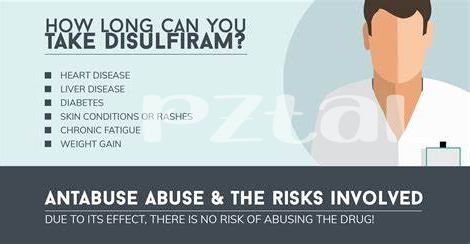
In recent years, therapy for addiction recovery has evolved significantly, introducing innovative approaches that complement traditional methods like Antabuse. Among these cutting-edge techniques are cognitive-behavioral therapy, mindfulness practices, and digital interventions, each offering unique benefits in managing addiction. These modern therapies aim to address the root causes of addiction, promote mental well-being, and equip individuals with coping strategies.
Incorporating these new modalities with Antabuse, a medication designed to deter alcohol consumption, can create a powerful, multifaceted treatment plan. This synergy enhances the overall recovery experience, providing individuals with a comprehensive toolkit to navigate their path to sobriety effectively.
Synergistic Approaches: Combining Medication and Therapy
The combination of Antabuse with therapy offers a powerful dual approach to recovery. Antabuse, by creating an aversive reaction to alcohol, acts as a deterrent, helping individuals resist the temptation to drink. When paired with modern therapeutic techniques such as cognitive-behavioral therapy or mindfulness practices, it addresses not only the physical but also the psychological aspects of addiction. This integrated approach allows individuals to explore and understand the underlying triggers and patterns that contribute to their substance use, fostering a more comprehensive healing process. By aligning the biochemical deterrent effects of Antabuse with therapeutic exploration, patients can achieve a more sustainable and holistic recovery outcome, paving the way for lasting sobriety.
Personal Stories: Success with Antabuse and Therapy

Mary, after years of battling alcohol dependency, decided to try Antabuse alongside cognitive-behavioral therapy. The medication discouraged her drinking by causing unpleasant reactions when alcohol was consumed. Meanwhile, therapy helped her address underlying emotional triggers. James, another individual, found that the combination of family therapy and Antabuse strengthened his relationships while keeping him accountable. Their stories highlight how integrating Antabuse with counseling cultivates long-term sobriety. Through persistence and support, these individuals transformed their lives, underscoring the power of combined treatment in recovery journeys.
Overcoming Challenges: Common Issues and Solutions
Navigating the road to recovery with Antabuse involves addressing several key challenges. One common issue is the possibility of adverse reactions when alcohol is consumed, even inadvertently. Educating individuals about potential triggers is essential. Within therapy, clients can explore underlying psychological issues that contribute to addiction, using techniques like cognitive-behavioral therapy to reshape harmful patterns.
| Challenge | Solution | |----------------------|-----------------------------------------| | Adverse reactions | Educate on alcohol avoidance | | Underlying issues | Utilize cognitive-behavioral therapy |
Therapists and healthcare providers work collaboratively to ensure safe usage while addressing emotional hurdles in recovery. Open communication and personalized care plans help resolve these challenges, making the journey toward sobriety more manageable and less daunting.
The Future of Recovery: Innovations in Supporting Sobriety
As science and technology evolve, so too do the approaches to supporting sobriety. Emerging innovations are reshaping recovery landscapes, offering profound benefits. Digital health tools, such as mobile apps and wearable devices, provide real-time feedback and support, allowing individuals to monitor their habits and emotions. These technologies empower people to proactively manage triggers and cravings, fostering a sense of agency in their recovery journey. Additionally, advancements in neuroimaging and genetic research are offering personalized treatment plans, tailored to the unique needs and biological makeup of each individual.
Collaboration and integration across various disciplines are ushering in a new era of holistic recovery support. Artificial intelligence is being leveraged to predict relapse patterns and tailor interventions, while virtual reality programs offer immersive therapy experiences, helping users practice real-world coping strategies. These forward-thinking interventions not only enhance traditional treatment modalities but also ensure that individuals are equipped with the diverse tools and support necessary to maintain sobriety in modern society.